seismic wire, also known as geophones, is a critical tool that geophysicists use to study the Earth’s subsurface. These sensitive instruments measure ground vibrations caused by seismic waves, providing valuable insights into the composition, structure, and movement of the Earth’s crust. In this article, we will explore the importance of seismic wire in geophysical studies, how it works, and its applications in various industries.
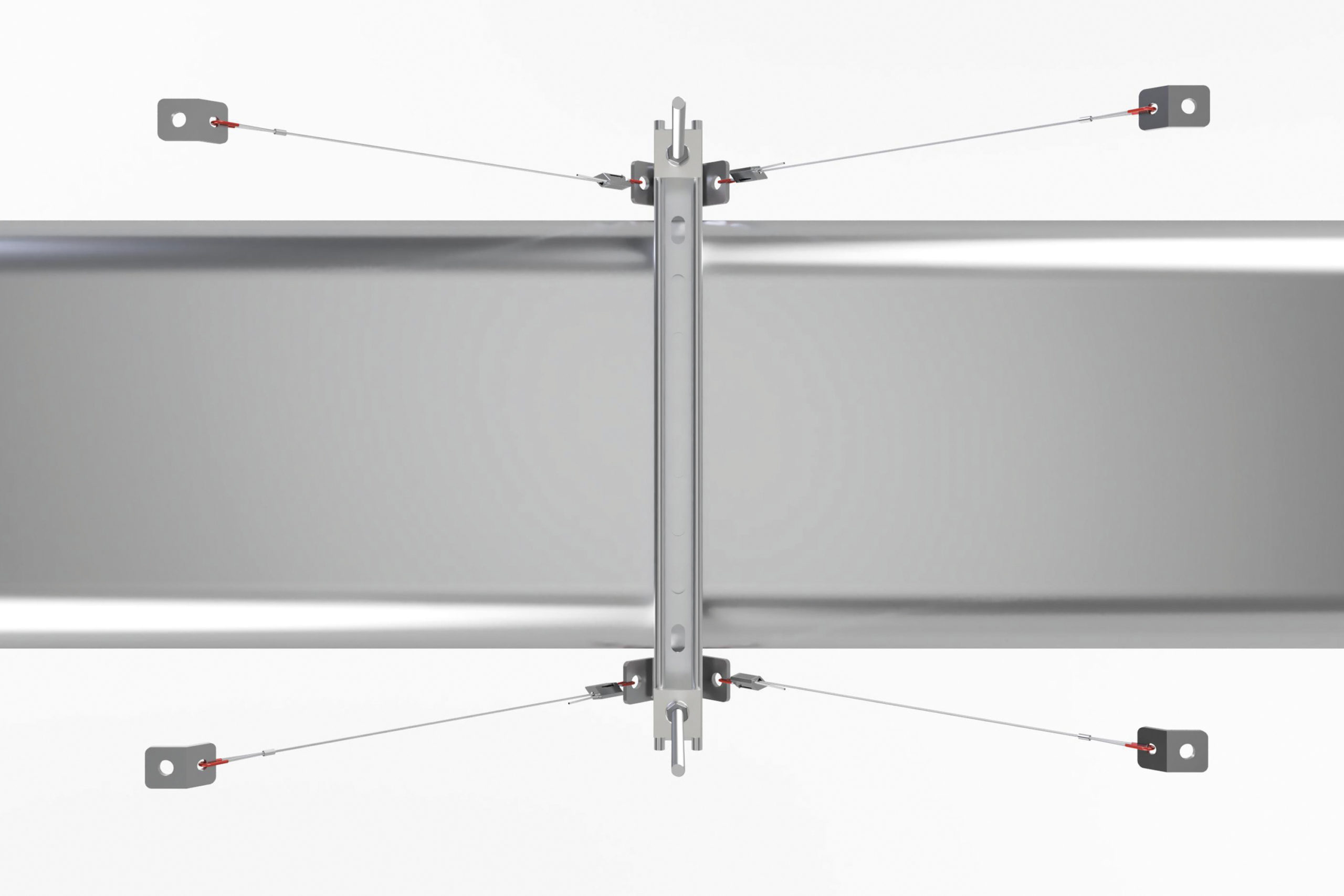
seismic wire consists of a coil of wire wound around a core, usually made of ferromagnetic material. The wire is attached to a seismic sensor, which converts ground vibrations into electrical signals. These signals are then amplified and recorded for analysis.
One of the key features of seismic wire is its sensitivity to even the slightest ground movements. This sensitivity allows geophysicists to detect seismic waves generated by natural events such as earthquakes, volcanic eruptions, or man-made activities like mining or construction. By analyzing these waves, scientists can map the Earth’s subsurface and identify potential hazards, such as fault lines or underground reservoirs.
The most common application of seismic wire is in seismology, the study of earthquakes and the Earth’s internal structure. Seismologists use arrays of geophones to monitor seismic activity in real-time and create detailed seismic images of the Earth’s interior. This information is crucial for understanding the processes that govern earthquakes and predicting their occurrence.
seismic wire is also widely used in the oil and gas industry for prospecting and monitoring hydrocarbon reservoirs. By placing geophones on the surface or in boreholes, geophysicists can create detailed 3D models of the subsurface and identify potential drilling locations. This helps companies optimize their exploration efforts and maximize the recovery of oil and gas reserves.
In addition to seismology and oil exploration, seismic wire has applications in other fields such as civil engineering, environmental monitoring, and even national security. For example, geophones can be used to detect and locate underground water sources, monitor the stability of dams and bridges, or track the movements of vehicles and people in sensitive areas.
The advancements in technology have led to the development of sophisticated seismic wire systems that can be deployed in harsh environments and remote locations. These systems are equipped with wireless communication capabilities, GPS tracking, and data storage, making them ideal for monitoring seismic activity in regions prone to natural disasters or industrial activities.
Despite its widespread use and importance, seismic wire faces several challenges, such as signal interference, environmental noise, and limited coverage. To overcome these challenges, researchers are constantly developing new techniques and algorithms to improve the sensitivity and accuracy of seismic measurements.
Overall, seismic wire plays a crucial role in understanding the Earth’s dynamic processes and mitigating risks associated with natural and human-induced seismic activities. By harnessing the power of seismic wire, scientists and engineers can gain valuable insights into the subsurface and make informed decisions to protect lives and property.
In conclusion, seismic wire, or geophones, is a versatile and indispensable tool for geophysical studies. Its sensitivity, reliability, and versatility make it a valuable asset for various industries, from seismology to oil exploration. As technology continues to advance, we can expect seismic wire to play an even greater role in understanding and monitoring the Earth’s subsurface.