seismic bracing systems are a crucial component in ensuring the safety and stability of buildings in earthquake-prone regions. These systems are designed to mitigate the effects of seismic activity by strengthening a structure’s ability to withstand lateral forces generated during an earthquake. By implementing a seismic bracing system, engineers can help prevent catastrophic damage to buildings and protect the lives of occupants.
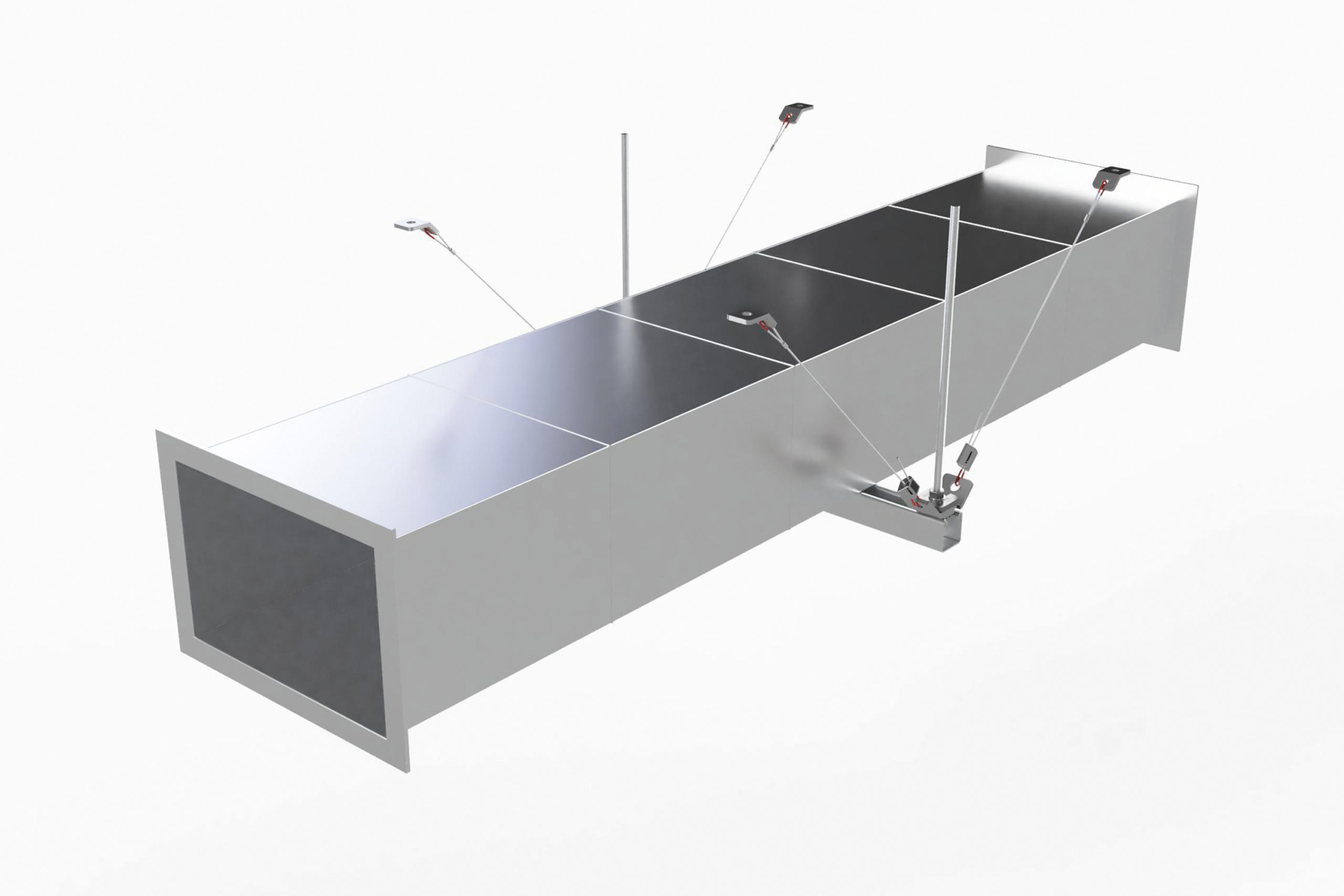
The primary purpose of a seismic bracing system is to control the lateral sway of a building during an earthquake. When the ground shifts beneath a building, the structure is subjected to horizontal forces that can cause it to sway and potentially collapse. seismic bracing systems are designed to counteract these forces by providing additional support and resistance to lateral movement.
There are several types of seismic bracing systems that can be used depending on the specific needs of a building. Some common examples include cross-bracing, moment-resisting frames, and base isolators. Each of these systems has its own unique advantages and limitations, and engineers must carefully consider which system is most appropriate for a given structure.
Cross-bracing, for example, is a simple and cost-effective method of providing lateral support to a building. This system consists of diagonal steel members that are attached to the frame of the building to create a structural truss. Cross-bracing helps distribute lateral forces throughout the building, reducing the overall sway and improving stability during an earthquake. While cross-bracing is effective for low to mid-rise buildings, it may not be suitable for taller or more complex structures.
Moment-resisting frames, on the other hand, are a more advanced seismic bracing system that can provide enhanced protection for buildings in high-risk areas. These systems use rigid connections between beams and columns to resist lateral forces and prevent the building from swaying excessively during an earthquake. Moment-resisting frames are often used in conjunction with other bracing systems to provide comprehensive protection against seismic activity.
Base isolators are another innovative solution for improving a building’s seismic performance. These devices are installed at the foundation level of a building and help absorb and dissipate the energy generated by an earthquake. By isolating the structure from the ground motion, base isolators can significantly reduce the impact of seismic forces and minimize damage to the building.
In addition to providing structural stability, seismic bracing systems also play a crucial role in ensuring the safety of occupants during an earthquake. By preventing excessive sway and potential collapse, these systems help create a secure environment inside the building, allowing occupants to evacuate safely and quickly. This can be especially important in high-occupancy buildings such as offices, hospitals, and schools, where a quick and orderly evacuation is essential for saving lives.
It is important to note that seismic bracing systems must be carefully designed and installed by qualified engineers to ensure their effectiveness. Improper installation or inadequate design can compromise the system’s ability to withstand seismic forces and may result in catastrophic failure during an earthquake. Engineers must consider factors such as building height, location, soil conditions, and anticipated seismic activity when designing a bracing system to ensure optimal performance.
In conclusion, seismic bracing systems are a critical component of structural engineering that helps protect buildings and occupants from the devastating effects of earthquakes. By providing additional support and resistance to lateral forces, these systems can significantly improve a building’s ability to withstand seismic activity and reduce the risk of collapse. Engineers must carefully consider the specific requirements of a building and select the most appropriate bracing system to ensure its effectiveness. With proper design and installation, seismic bracing systems can help save lives and minimize damage in earthquake-prone regions.